Content Is Free. Character Is Priceless.

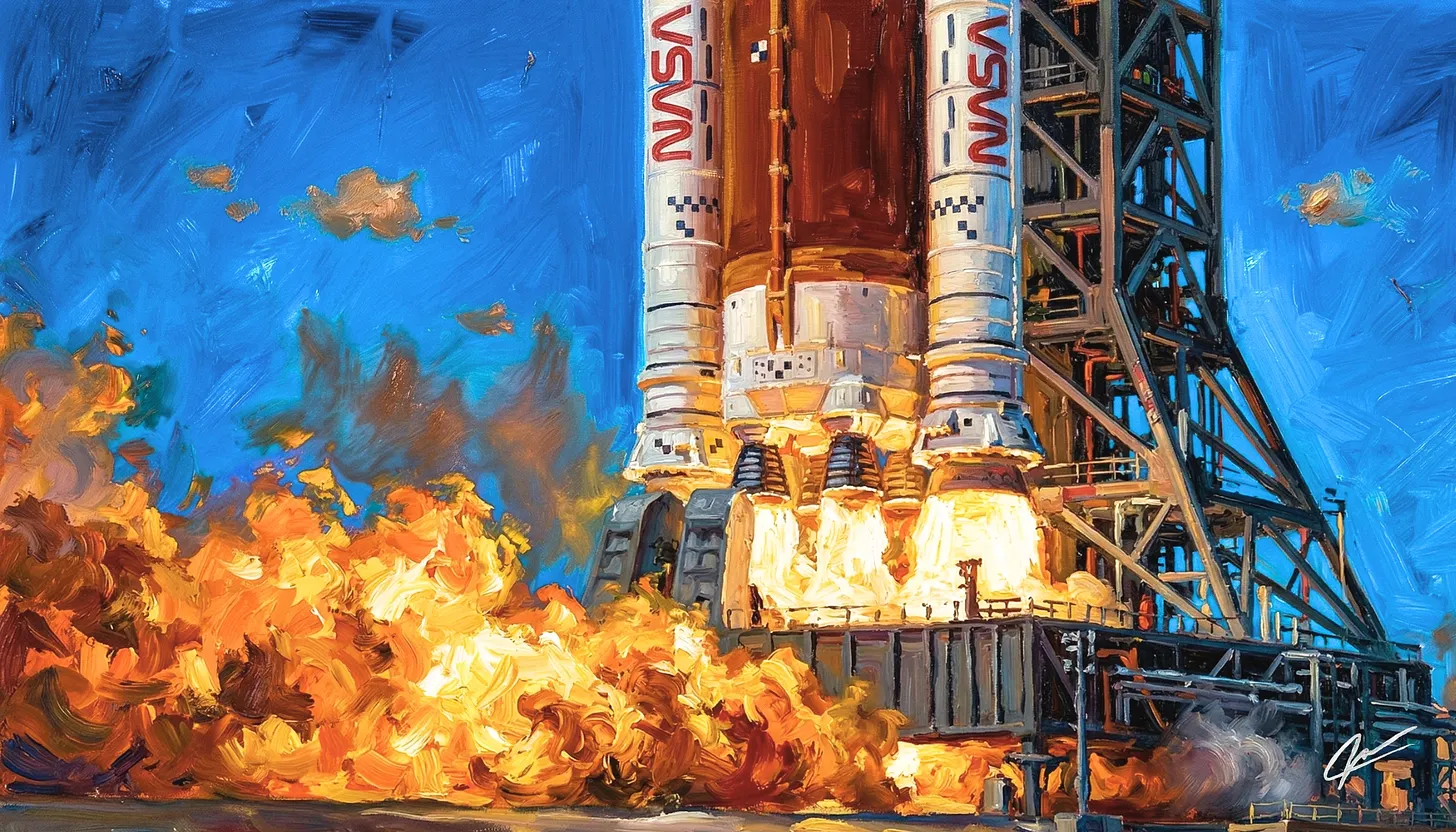
An astronaut during the recently launched Artemis II mission carries a smartphone that is 100 million times more powerful than the entire computer system that landed Apollo 11 on the moon.
\n\nTake a second to really process that.
\n\nWe are exploring the stars with technology that only sci-fi movies thought possible a few years ago.
\n\nYet…
\n\nWhen it comes to the most complex, brilliant hardware on earth — our children's minds — we are still running last-century software.
\n\nSure, we've updated the textbooks. We've put tablets on the desks. We've even sprinkled a little \"AI\" into the curriculum. But the underlying engine? The way the gears actually turn? It hasn't changed in almost a century.
\n\nThis is exactly why there is a massive gap between the classroom and the global job market. We are trying to prepare kids for a volatile, incredibly fast future using a map drawn for a world that has not existed for quite some decades now.
\n\nIf trying to bridge this gap as a parent or educator feels impossibly hard right now, it's because you are fighting a structural problem.
\n\n\n\n
The problem isn't that our students are failing to learn the content.
\n\nThe reality is much harder to accept: The content itself doesn't really matter anymore.
\n\nI know that sounds radical. But in an open-book world where you can access the sum of human knowledge in 0.2 seconds, rote memorization is an obsolete gear. It creates friction where there should be flow.
\n\n\n\n\nAlbert Einstein saw this coming in the 1920s. He warned us: \"Education is not the learning of facts, but the training of the mind to think.\"
\n
When the formula is free, the value isn't in memorizing it. The value is having the wisdom to know which formula to use, when to apply it, and why.
\n\nInstead of cramming data into our kids' heads, we should be obsessed with neuroscience, cognitive development, and the human edge. We should be teaching them:
\n\n- \n
- How to process complexity \n
- How to filter out the noise \n
- How to solve problems that don't yet have an answer key \n
\n\n
Because if content is cheap, what becomes priceless?
\n\nCharacter. Values. Discernment.
\n\nOur goal isn't to build a better memory drive. Our goal is to forge a Navigator — a leader who can take that \"100 million times more powerful\" tool and use it to create real value for their communities.
\n\nSo, we have to change the question.
\n\n\n\n\nWe must stop asking, \"Are our kids learning the content?\" And start asking, \"Are we forging the character to navigate the unknown?\"
\n
\n\n
It takes Courage.
\n\nStepping away from the comfort of the old formula requires looking at the 1960s software and finally pressing 'delete.' It means letting go of a system that feels safe simply because it is familiar.
\n\nIt takes Faith.
\n\nFaith that if we stop treating our kids like outdated hard drives, they will step fully into their potential. Faith that the human mind, when given the right environment, is capable of brilliance we haven't even seen yet.
\n\n\n\n
We have the tools to explore the stars.
\n\nLet's make sure our kids have the minds to guide the journey.
\n\n— Mau